

This article is part of our Real Estate Articles collection and relates to our Real Estate Law services. It is provided for informational purposes only, does not constitute legal advice, and does not create an attorney-client relationship. Please review our Legal Disclaimer or schedule a complimentary consultation for guidance specific to your situation.
Attention new Florida homeowners!
If you’ve recently purchased a home and have yet to apply for your Florida Homestead Tax Exemption, the deadline to submit your application to the Property Appraiser’s office is March 1.
Important Florida Homestead Exemption FAQs include:
What is the Florida Homestead Exemption?
In Florida, each property incurs property taxes based on its assessed value.
Generally speaking, exemptions reduce the assessed value of a property, which in turn reduces the amount of taxes due.
In Florida, special homestead exemptions apply to your permanent residence (i.e. homestead). These homestead exemptions are very beneficial to homeowners, so it’s important to make sure you apply timely.

Speak with Attorney Anila Rasul About Your Florida Real Estate Needs
Whether you’re transferring property, resolving title concerns, or planning for your family’s future, I’m here to help you protect what matters most. Schedule your consultation today. I look forward to speaking with you personally.
Who can apply for the Florida Homestead Exemption?
Homestead exemptions only apply to the primary residence of permanent Florida residents who lived in the home on January 1 of the year for which the Florida Homestead Exemption application is being submitted.
Therefore, if you purchased your home after January 1, 2021, you may not be eligible for the homestead exemption for 2021. Instead, your exemption may begin in 2022, so long as you apply prior to March 1, 2022.
Florida law also allows the homestead exemption to be applied if the property is owned by a living trust if it includes specific language. However, if the property is owned by a business entity, such as a corporation or limited liability company, then the Florida homestead exemption will not apply.
Can the Florida Homestead Exemption be transferred?
Usually, married individuals or joint tenants with rights of survivorship may transfer the Florida homestead exemption rights between each other without having to reapply – so long as the property remains the primary residence, that is!
How much does the Florida Homestead Exemption reduce the property’s assessed value?
In Florida, an exemption of $25,000 is applied to the first $50,000 of a homestead property’s assessed value. This is commonly referred to as the “basic exemption”.
An additional exemption of up to $25,000 may be applied if the property’s assessed value is between $50,000 and $75,000.
An additional benefit is that homes that qualify for the Florida homestead exemption have the increase in the yearly assessed value capped at 3% of the prior year’s assessment.
Are there any other exemptions for which a homestead property owner may qualify?
Certain individuals may qualify for additional exemptions beyond the basic $25,000 exemption. They include, but are not limited to, the following groups:
- Active-duty military personnel
- Surviving spouses of veterans
- Disabled individuals
- Disabled veterans, law enforcement agents and first responders
- Elderly individuals with limited income
What kind of homes qualify for the Florida Homestead Exemption?
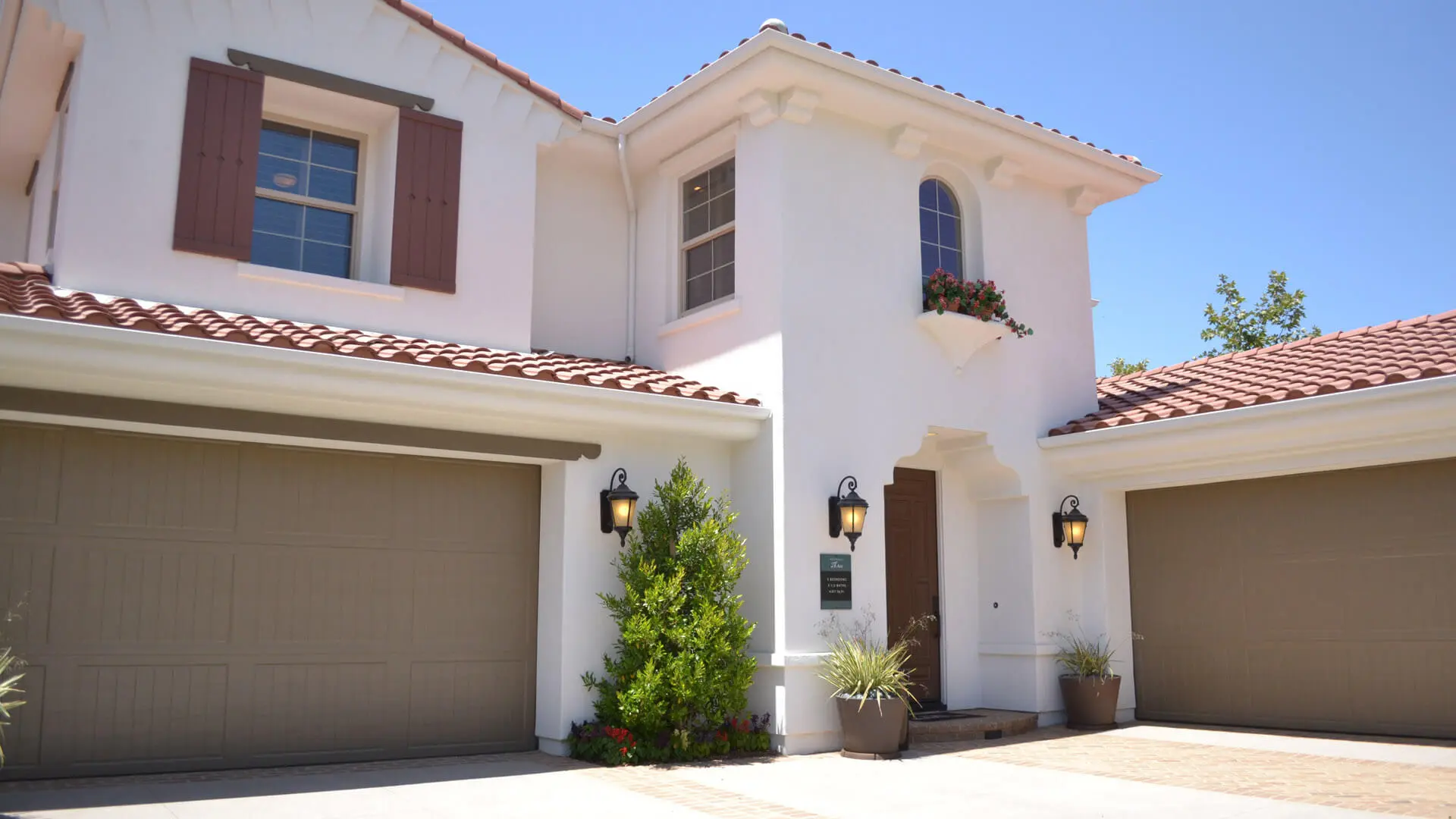
If your home is your primary residence, then it should qualify for the Florida homestead exemption.
However, there is an exception for mobile homes situated on land that is not also owned by the mobile homeowner.
Vacation homes or investment properties are also excluded.
Must a homeowner apply each year for the Florida Homestead Exemption?
Once you are approved for the homestead exemption, there is no need to reapply since it is renewed automatically each year.
Therefore, if the property remains your homestead and you have not moved, then you do not need to apply again.
How do I apply for my Florida Homestead Exemption?
The process may vary from county to county.
It’s best to contact the county in which your property is located for information about filing your application.
For more information regarding the specific requirements for applying for the homestead exemption in South Florida, here are the links to the property appraiser websites for Palm Beach, Broward and Miami-Dade counties.
Florida Homestead Exemption FAQs
What is the Florida Homestead Exemption?
When is the Florida Homestead Exemption deadline?
Who qualifies for the Florida Homestead Exemption?
How much does the Florida Homestead Exemption save on property taxes?
Florida homeowners may receive up to a $50,000 exemption on their home’s assessed value and benefit from a 3% annual cap on increases.
Do you need to reapply for the Florida Homestead Exemption every year?
No. Once approved, your homestead exemption automatically renews each year as long as the property remains your primary residence.
Conclusions
Applying for the Florida Homestead Exemption is one of the most important, and often overlooked, steps new homeowners can take to protect their property and reduce annual tax liability. With savings of up to $50,000 in assessed property value and additional exemptions for qualifying individuals, the benefits can be substantial.
But timing is everything. If you purchased a new primary residence in Florida, your deadline to apply is March 1 and missing that window could mean paying far more in property taxes than necessary.
Whether you’re a first-time homeowner or transferring homestead status after a move, understanding Florida’s exemption rules can make a meaningful difference in your financial planning.
At ASR Law Firm, we assist Florida residents with navigating the application process, ensuring eligibility, and answering questions about property tax savings, trust ownership, and exemption transfers.
Need help protecting your home and securing your homestead rights?
Contact us today to schedule a complimentary consultation with our real estate and estate planning attorney.

About the Author
Anila S. Rasul is the founding attorney of ASR Law Firm, where she helps Florida individuals and businesses protect what matters most. With over 15 years of legal experience, Anila specializes in estate planning, business formation, and asset protection.
She is dedicated to offering clear, actionable legal guidance and takes pride in building lasting relationships with her clients.
Explore Anila’s legal background or connect with her on LinkedIn.
